
Category :
Industry News & Travel TrendsThe Rise of Regenerative Tourism: How Advisors Can Sell Sustainable Luxury Travel in 2026
To learn more techniques and how to create and grow your own travel business, sign-up to become a member today!
The 2026 Landscape
The global travel industry has entered an era of profound transformation as we navigate 2026. The conventional model of tourism—which focused entirely on visitor numbers, mass consumption, and economic output—is being replaced by a highly conscious, value-driven approach. Travelers are no longer satisfied with simply "reducing their environmental impact" or "leaving no trace" (the traditional definition of sustainable travel). Instead, there has been a massive surge in demand for "regenerative tourism"—travel experiences that actively restore, replenish, and revitalize the environment, culture, and economy of the destination.
In 2026, high-net-worth (HNW) and ultra-high-net-worth (UHNW) clients are leading this travel revolution. They are actively seeking luxury accommodations and tour operators that demonstrate verified, positive contributions to local communities and natural ecosystems. This shift represents an extraordinary business opportunity for professional travel advisors. Regenerative travel bookings are characterized by longer stays, custom private excursions, and premium lodging, yielding significantly larger commission payouts. To succeed in this market, advisors must move beyond basic booking and learn to curate high-end, regenerative travel experiences that align with their clients' values while maximizing their own revenue.
Deep Dive: What is Regenerative Tourism and How to Sell It
Defining Regenerative vs. Sustainable Travel
To sell regenerative tourism effectively, travel advisors must understand the core distinction between sustainability and regeneration:
- Sustainability (Do No Harm): A sustainable vacation aims to minimize negative impacts. Examples include reducing plastic waste, recycling water, and using energy-efficient light bulbs. The goal is to keep the destination in its current state.
- Regeneration (Actively Improve): A regenerative vacation aims to leave the destination in a better state than it was found. Examples include resorts that run entirely on solar power and fund local wildlife sanctuaries, itineraries that include community-led restoration projects, and lodges that hire 100% of their staff locally and fund community schools.
- The Luxury Alignment: Eco-conscious luxury travelers do not want to sacrifice comfort. In 2026, premier resorts successfully combine five-star service (such as private pools, butler service, and fine dining) with sophisticated conservation systems, proving that luxury and ecology can coexist.
Core Areas of Regenerative Tourism
When designing a regenerative travel itinerary in 2026, advisors should focus on four core pillars:
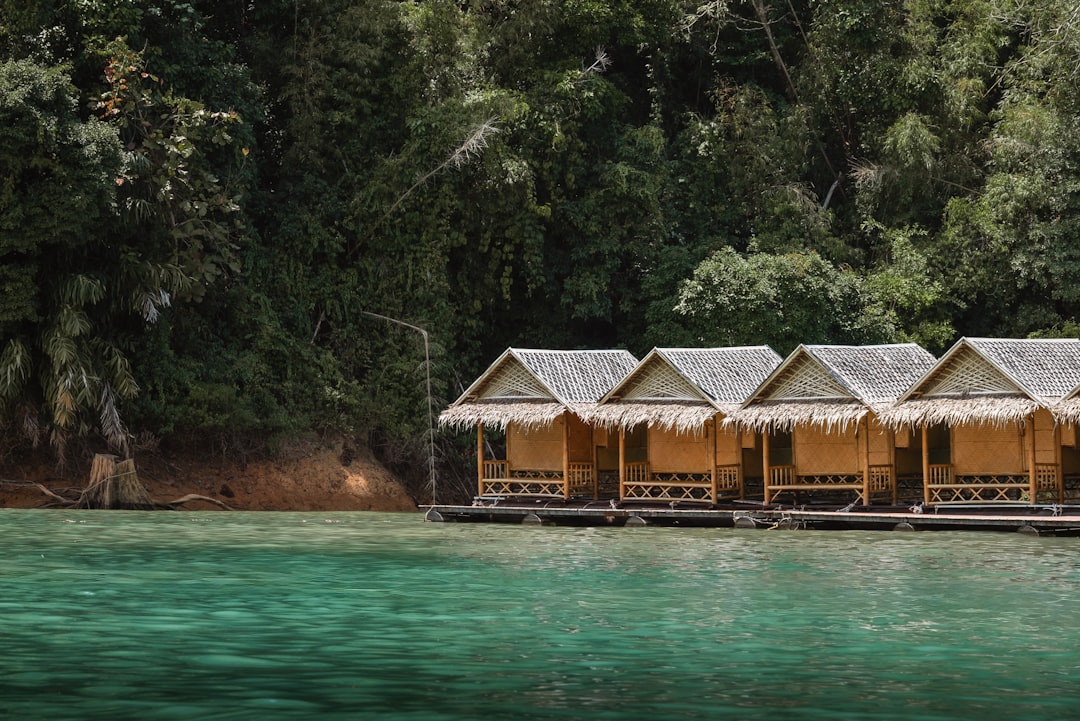
- Environmental Restoration: Partnering with resorts that actively replant native forests, restore local coral reefs, or protect endangered species. Clients can participate in these programs directly, such as planting mangrove trees or participating in marine research dives.
- Economic Empowerment: Ensuring that client expenditures stay within the local community. This means selecting lodges that pay fair living wages, hire local guides, and source food and building materials from local farms and artisans.
- Cultural Preservation: Curating experiences that respect and sustain indigenous cultures. Advisors should partner with local communities to offer private storytelling sessions, traditional art workshops, and guided heritage tours led by community members.
- Low-Density, High-Value Tourism: Recommending travel during the shoulder seasons and promoting lesser-known destinations to prevent overtourism, which protects the local infrastructure and provides clients with a more exclusive, private experience.
Real-World Examples of Regenerative Luxury
To illustrate what these practices look like in action, consider these leading eco-luxury brands:
- Soneva Fushi (Maldives): Renowned for its "no news, no shoes" luxury philosophy, Soneva Fushi operates a massive solar power plant, recycle 90% of their solid waste, and run the Soneva Foundation, which funds global forest restoration and clean energy projects. Clients enjoy ultra-luxury villas while actively participating in marine conservation efforts.
- Singita (Africa): Singita's luxury lodges in South Africa, Zimbabwe, and East Africa operate as conservation companies first and hospitality providers second. Their bookings directly fund anti-poaching units, wildlife reintroduction programs, and community agricultural academies, proving that high-end safaris can sustain entire conservation ecosystems.
- Cayuga Collection (Central America): Operating award-winning eco-lodges in Costa Rica, Panama, and Nicaragua, Cayuga focuses on 100% local staffing, organic farm-to-table dining, and direct community development, showing how luxury tourism can lift local communities out of poverty.
Identifying Verified Regenerative Suppliers
With the rise of "greenwashing" (where companies falsely advertise eco-friendly practices), travel advisors must act as expert gatekeepers who vet suppliers for authentic credentials:
- Certified B-Corporations: Vetted for rigorous social and environmental performance.
- Local Conservation Partners: Look for resorts that maintain active partnerships with local marine biologists, forestry departments, or community leaders.
- Transparent Sourcing: Choose hotels that source their ingredients from local organic farms and build their properties using sustainable, locally sourced materials.
How to Pitch Sustainable Travel to Skeptical Clients
Not all clients are immediately enthusiastic about sustainable travel. Some may worry that eco-luxury means compromising on comfort, paying inflated prices, or dealing with inconvenient logistics. As an expert advisor, you must address these concerns proactively:
- Position Comfort First: Reassure clients that eco-luxury resorts offer top-tier amenities. Explain that using local organic ingredients means fresher, world-class dining, and low-density layouts mean quieter, more exclusive accommodations with dedicated personal service.
- Explain the Value Proposition: Address the cost concern by demonstrating the superior quality of the experience. Explain that private, community-led excursions offer authentic cultural connections that standard group tours cannot replicate, making the investment highly rewarding.
- Highlight Hassle-Free Logistics: Emphasize that your host agency handles all carbon-neutral transit details, hotel-transfers, and booking logistics, ensuring a seamless, worry-free vacation from start to finish.
Client Education and Destination Stewardship
To deliver a truly regenerative travel experience, advisors must prepare their clients to act as responsible stewards of the destinations they visit.
- Pre-Departure Guidelines: Send a customized "Stewardship Guide" before departure. This guide should include packing tips (such as bringing reef-safe sunscreen, reusable water bottles, and plastic-free packaging) and detailed information on local customs, cultural etiquettes, and tipping guidelines for local staff.
- Support Local Artisans: Encourage clients to buy souvenirs directly from local craftspeople and cooperatives rather than imported goods at tourist gift shops. Explain that direct purchases sustain traditional arts and provide critical income directly to families in the destination.
- Respect Wildlife Habitats: Educate clients on ethical wildlife viewing practices. Advise them to maintain safe distances, avoid feeding wild animals, and support tour operators that prioritize wildlife welfare over tourist selfies, ensuring that their visit does not disrupt local habitats.
- Carbon Offset Awareness: Encourage travelers to calculate the carbon footprint of their flights and purchase verified offsets that fund local reforestation projects. While offsetting is not a cure-all, it represents an active step towards mitigating the impact of long-haul travel.
Marketing Strategies to Capture the Eco-Luxury Market
Attracting sustainable luxury clients in 2026 requires targeted, sophisticated positioning:
- Highlight Unique Experiences: Focus your marketing on the exclusive, authentic experiences that regenerative travel offers. Instead of just showing photos of a resort beach, promote private excursions like planting coral with a marine biologist, participating in a local reforestation project, or cooking with ingredients harvested from an onsite organic farm.
- Position Value Over Sacrifice: Explain to clients how eco-luxury travel enhances their personal experience. For example, local organic dining means fresher, healthier gourmet meals, and low-density resorts mean quieter, more private accommodations.
- Educate Through Storytelling: Share success stories of destinations that have been restored through tourism. Use social media, video walk-throughs, and personalized newsletters to show the positive impact of travel.
Hypothetical Case Study: The High-Yield Eco-Luxury Booking
To illustrate the profit potential of regenerative travel, let us look at the hypothetical case study of Karen, an independent travel advisor who joined our hosted network. Karen decided to target the sustainable luxury market, focusing on custom eco-itineraries in Central America.
In early 2026, a couple contacted Karen to plan a 10-day anniversary trip to Costa Rica. They wanted a luxury experience but insisted that their travel spend support local conservation. Karen designed the following itinerary:
- Lodging: 5 nights at a luxury canopy villa inside a private rainforest reserve. The resort runs on 100% solar power, employs local guides, and funds a native tree replanting program. Cost: $1,200 per night.
- Activities: A private guided tour of a local biological research station, a private organic farm-to-table cooking class, and a guided night safari to monitor endangered frog species. Cost: $2,500.
- Transit: Carbon-neutral private transfers throughout the trip. Cost: $1,500.
- Extension: 4 nights at a luxury beachfront resort that funds a local turtle nesting sanctuary. Cost: $1,500 per night.
- Total Booking Value: $16,000.
- Karen's Commission (Averaging 12%): $1,920 for a single booking.
Because Karen positioned the trip as an exclusive, life-changing experience that directly restored the local Costa Rican ecosystem, the clients booked without hesitation. They returned home thrilled with their experience, immediately referred three friends to Karen, and booked a luxury African eco-safari for the following year, proving that regenerative tourism builds intense client loyalty and highly profitable repeat business.
The Travel Agent Pro and Travel Agent Pro Advantage
Curating verified regenerative travel packages requires direct access to specialized suppliers and luxury consortia contracts. Joining Travel Agent Pro and our host network, Travel Agent Pro, gives you the industry relationships needed to dominate this high-growth market.
Through our elite membership in the Signature Travel Network, our hosted advisors gain access to the finest sustainable luxury booking tools:
- Signature's Sustainable Travel Portfolio: A carefully vetted database of luxury resorts, tour operators, and DMCs that have been certified for authentic environmental and social responsibility.
- Preferred Partner Status: Enjoy preferred commission rates (up to 15%) and direct contact details for sales managers at top eco-luxury properties globally.
- Specialized Certifications: Take advantage of Signature's comprehensive training academies and webinars to earn your certification as a Sustainable Leisure Specialist, building the credibility needed to attract high-value clients.
By equipping you with VacationCRM, visual itinerary builders, and automated marketing campaigns that promote sustainable travel themes, Travel Agent Pro ensures you have the technology and support to grow your business while making a positive impact on the world.
Conversational FAQ Block
What is regenerative tourism and how does it differ from sustainable travel?
Regenerative tourism goes beyond sustainable travel (which focuses on minimizing environmental impact) by actively improving the destination. While sustainable travel aims to "do no harm" and keep a destination in its current state, regenerative travel focuses on restoring ecosystems, supporting local economies, and preserving cultural heritages, leaving the destination in a better condition than it was found.
Why do regenerative travel bookings yield higher commission payouts?
Regenerative travel bookings yield higher commissions because they typically attract high-net-worth clients who book premium eco-resorts, long stays, and customized private excursions (such as wildlife conservation tours). These components have higher overall price points, which translates directly into larger commission payouts for the travel advisor compared to standard mass-market vacation packages.
How can a travel advisor verify that a resort is truly eco-friendly?
Advisors can verify a resort's credentials by checking for recognized third-party certifications (such as B-Corp status, EarthCheck, or Green Globe), reviewing their local hiring and sourcing policies, and consulting vetted databases like the Signature Travel Network's Sustainable Portfolio. Partnering with a host agency like Travel Agent Pro gives you direct access to these pre-vetted supplier lists, protecting you from greenwashing.
Do luxury clients have to compromise on comfort for regenerative travel?
No. In 2026, modern eco-luxury resorts successfully combine five-star service (such as private plunge pools, butler service, and gourmet dining) with sophisticated sustainability systems (like solar grids and zero-waste kitchens). High-end travelers enjoy the same levels of comfort, privacy, and service while gaining unique, localized experiences that mass-market resorts cannot offer.
How do I market regenerative tourism to my existing client database?
Start by sharing value-driven content that highlights the unique experiences eco-luxury offers, such as private wildlife encounters, organic farm-to-table dining, and custom cultural tours. Use automated marketing tools provided by your host agency (like Travel Agent Pro' email campaigns) to distribute visual guides and testimonials, positioning regenerative travel as an exclusive, high-value experience rather than a sacrifice.
Learn more about this by signing up as a member, today! Travel Agent Pro Application Form.
To learn more techniques and how to grow your travel business, read more on our Pathfinder Series.