As a leading travel host agency, we know that building a thriving travel business requires a multifaceted approach. While we highly encourage leveraging online techniques and optimizing your digital footprint, it is incredibly easy to fall into the trap of believing that all marketing happens behind a keyboard. It doesn't.
Whether you are a newly minted travel advisor looking for your first client or an experienced agent wanting to diversify your lead generation, stepping away from the screen can be your greatest asset. In this comprehensive guide, we are pulling back the curtain to show you how travel professionals have built thriving businesses through real-world connections. By the end of this article, you will leave inspired and equipped with fresh, creative ways to grow your client list without relying on social media.

1. Why Offline Marketing Still Matters in a Digital World
Let's start broad: why does offline marketing still matter in today's digital world?.
In an era where consumers are bombarded with thousands of digital ads, automated emails, and algorithm-driven social media feeds daily, digital fatigue is real. Travel is an inherently personal, high-ticket investment. When families are planning a $10,000 multi-generational trip to Europe, or a couple is planning their once-in-a-lifetime honeymoon, they are not just looking for a booking engine—they are looking for a trusted advisor.
Trust is built fastest face-to-face. While an online presence validates your business, offline marketing builds the deep, interpersonal trust required for premium travel planning. It creates buzz through word-of-mouth and in-person networking that simply cannot be replicated by a viral social media reel. When you shake someone's hand, look them in the eye, and speak passionately about a destination, you elevate yourself from a screen-name to a tangible, reliable expert in your local community.

2. The Power of Local Events: Creating Experiences That Sell
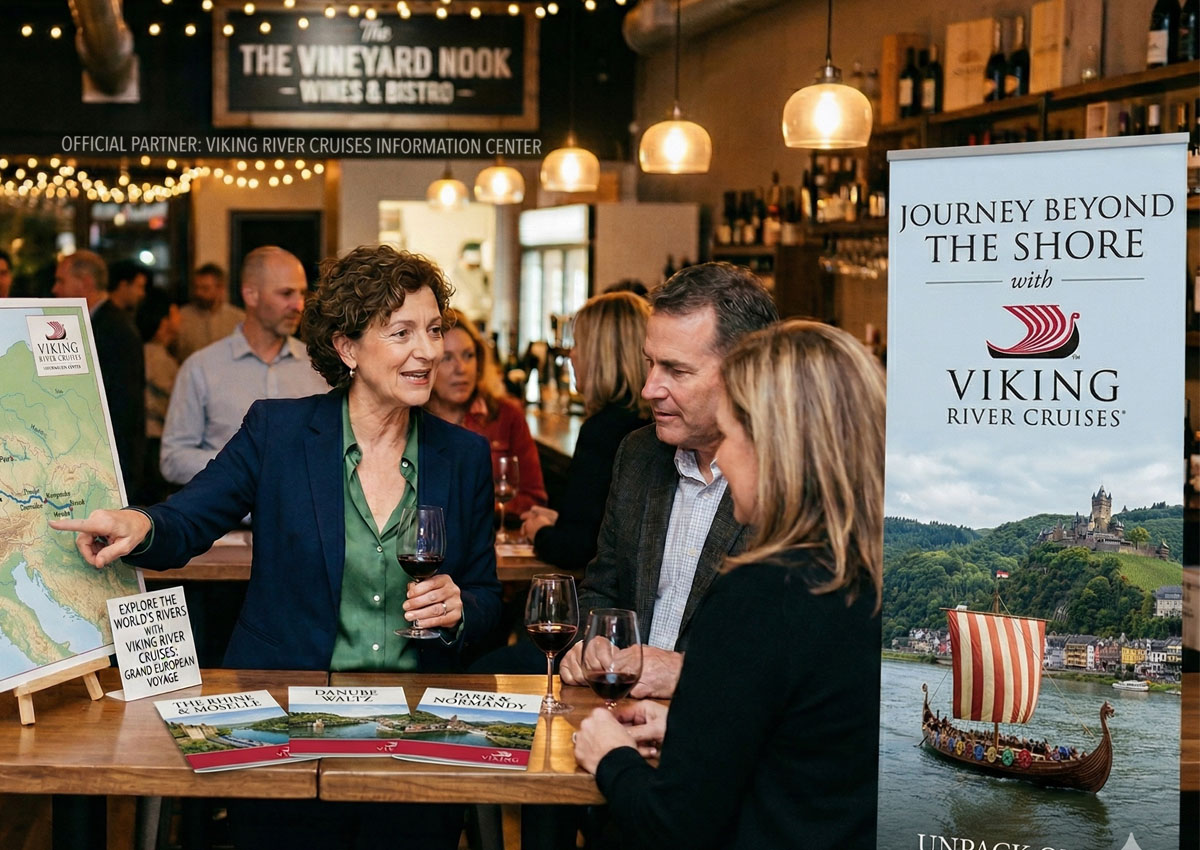
One of the most impactful ways to establish your presence is through hosting local events and partnering with community businesses. Think about the types of events you have hosted or participated in. Have they strictly been travel-focused, or have they integrated into the broader community lifestyle?
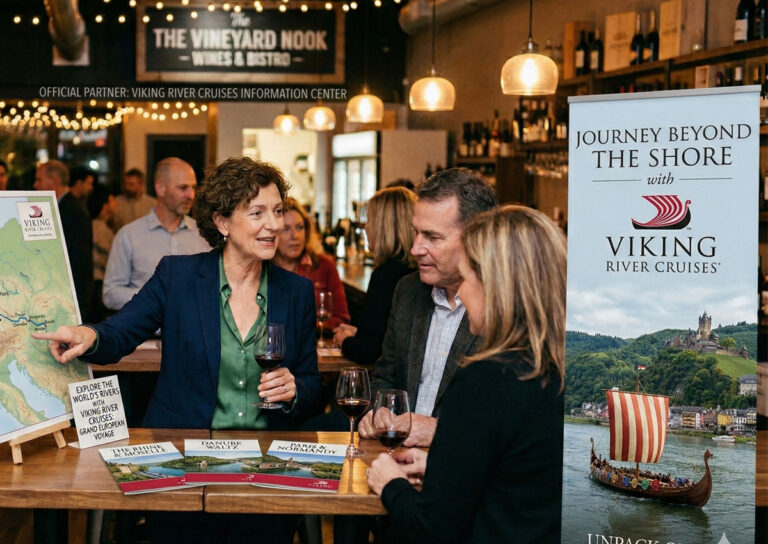
How Do You Fill the Room? Filling a room for an offline event requires strategic partnerships. Instead of renting a sterile conference room and hoping people show up, partner with businesses that already share your target demographic. For example, host a "Wines of Tuscany" night at a local upscale wine bar, or a "Honeymoon Planning" workshop at a local bridal boutique. The partner business promotes the event to their warm audience, and you bring your travel expertise, effectively doubling your reach.
Turning a "Fun Night" Into Actual Bookings A critical question to ask yourself is: what makes an event actually turn into bookings—not just "a fun night"?. The difference lies in your call to action (CTA). An event should never end with just a polite "thank you for coming."
-
Offer Exclusive Incentives: Provide a special booking bonus (like complimentary airport transfers or a customized itinerary planning session) exclusively for event attendees who schedule a consultation within 48 hours.
-
Collect Contact Information: Always have a sign-in sheet or a digital tablet where attendees can enter their information for a prize drawing (e.g., "Win a free set of packing cubes").
-
Set the Hook: During your presentation, don't give away all your secrets. Share the "what" and the "why," but let them know they need to hire you for the "how."

3. The Coffee Date Strategy: Casual Conversations, Serious Growth
Sometimes, the most profound marketing happens one-on-one. Consider how you can turn something as simple as coffee meetings into a marketing strategy. The beauty of the coffee date strategy is its low barrier to entry and high conversion rate.
Who to Invite? Don't just invite potential travelers. Invite local centers of influence: the head of the local rotary club, a popular wedding photographer, or a corporate HR manager. Your goal isn't to sell them a trip over a latte; it’s to understand their business and see how you can offer mutual value.
What Do Those Conversations Typically Lead To? What do those conversations typically lead to?. They lead to strategic referral networks. When you take a wedding photographer out for coffee and ask about their business, you build a relationship. Naturally, they will ask about yours. You can then explain how you take the stress off their brides by handling the honeymoon. That single coffee date can lead to a steady stream of highly qualified, warm leads for years to come.
Become a Travel Agent: Unleash Your Full Potential
Ready for a career that's as fulfilling as it is rewarding? Becoming a travel agent with TAP means building a business around your passion for travel.

4. Community Education: Establishing Your Authority
Another powerful offline avenue is community education. The goal here is to shift your image from a "salesperson" to an invaluable local resource. How do you position yourself as an educator in your community?. You do this by offering free, high-value information sessions at local libraries, community centers, or adult education annexes.
Choosing the Right Topics What topics work best for attracting ideal clients?. The key is to be specific and solve a problem. Avoid broad topics like "Let's Go to Mexico." Instead, try:
-
"How to Maximize Your Time and Budget on a First-Time European River Cruise"
-
"Navigating Multi-Generational Family Travel Without the Stress"
-
"The Insider’s Guide to Authentic Italy: Beyond Rome and Venice"
Turning Attendees into Long-Term Clients How do you turn attendees into long-term clients?. By demonstrating undeniable expertise. When you educate people on the complexities of travel—such as visa requirements, hidden fees, and logistical hurdles—they quickly realize that planning a complex trip on their own is a daunting task. You position your travel agency services as the logical, stress-relieving solution to the complexities you just educated them about.

5. Strategic Networking and Relationship Building
Networking shouldn't be a random act; it should be a calculated pillar of your business growth. How do in-person and relationship marketing fit into a marketing plan?. They serve as the foundation of your lead generation. While SEO brings you traffic from people actively searching online, networking brings you clients who didn't even know they needed a travel advisor until they met you.
Consistent Client Nurturing How do you nurture clients consistently?. Offline nurturing can look like sending handwritten "Welcome Home" cards after a trip, mailing a physical magazine featuring a destination they mentioned loving, or dropping off a small local gift on their birthday. These tangible touchpoints make clients feel deeply valued in a way an automated email newsletter cannot.
Strategic vs. Random Referrals What makes networking and referrals strategic versus random?. Random networking is handing out business cards to anyone who will take one. Strategic networking is identifying the specific demographics of your ideal client and placing yourself in the rooms where they gather. If you sell luxury golf tours, strategically network at the local country club, not a generic chamber of commerce breakfast.
6. Building Local Visibility and Partnerships
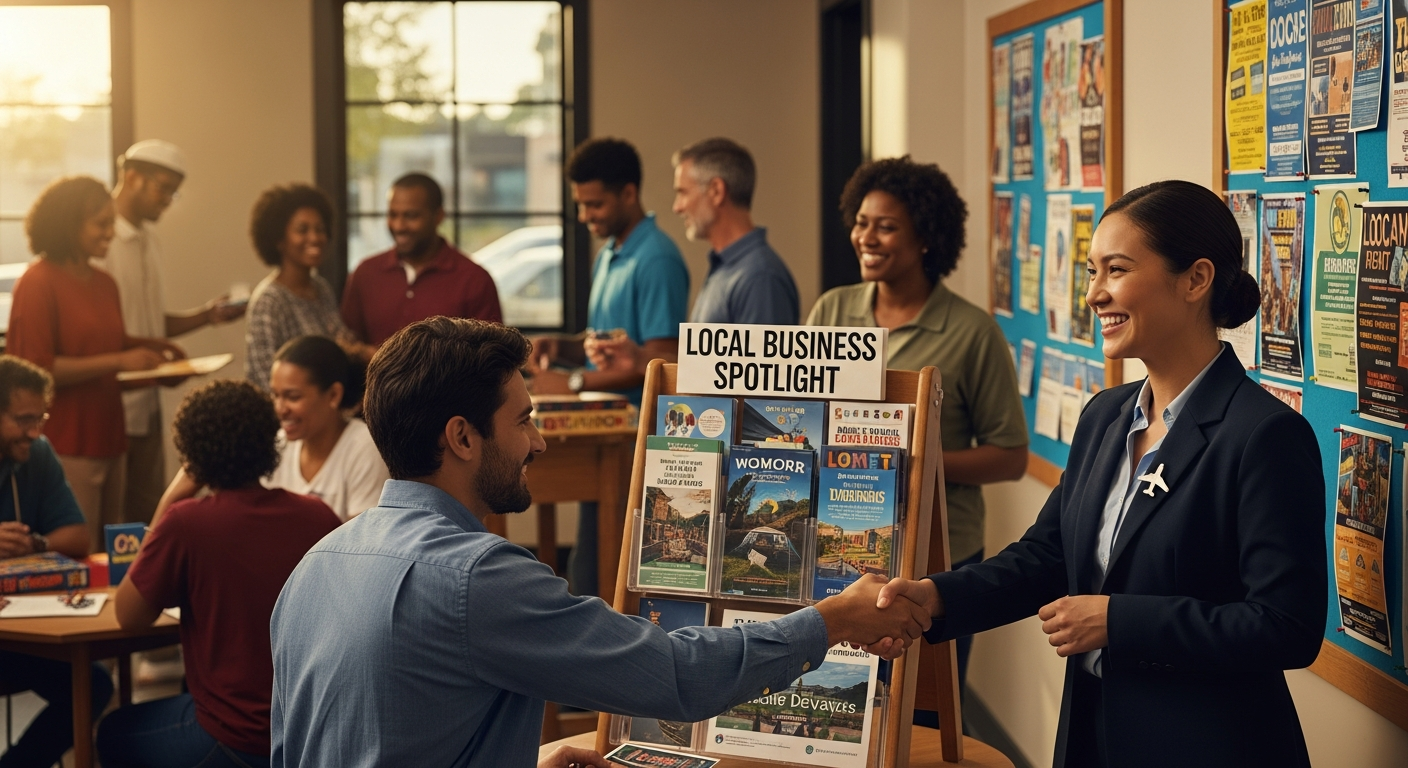
Building local visibility requires you to step outside your comfort zone and integrate into the local economic ecosystem.
Choosing the Right Local Businesses How do you choose the right local businesses to partner with?. Look for businesses with parallel, non-competing audiences. If you specialize in wellness retreats, partner with a local high-end yoga studio. If you specialize in family Disney vacations, partner with a local premium pediatric dentist or a private tutoring center.
Standing Out Without Sounding Salesy What makes you stand out at networking events?. You stand out by not pitching immediately. Ask compelling questions about others. When it is your turn to speak, how do you introduce yourself without sounding salesy?. Instead of saying, "I am a travel advisor, please book with me," use a value-driven elevator pitch. Say, "I help busy professionals reclaim their family time by designing stress-free, custom luxury vacations." This invites curiosity rather than defensiveness.
For Both Aspiring and Experienced Travel Advisors
Build a travel business doing what you love - on your own terms. Start booking trips the day you join, with a best-in-class education curriculum developed by industry experts.

7. Sealing the Deal: The Art of the Follow-Up
Meeting someone in person is only half the battle. Turning connection into clients relies entirely on your follow-up game.
The Follow-Up Process What's your follow-up process after meeting someone in person?. The fortune is in the follow-up. You should have a standardized system.
-
How Soon Do You Follow Up?. Ideally, within 24 to 48 hours. Any longer, and the warmth of the in-person connection begins to fade.
-
The Medium: A handwritten note is the gold standard for offline marketing, followed by a personalized email referencing something specific you discussed.
Transitioning to a Consultation What's one line you use to naturally transition toward a consultation?. Avoid aggressive sales lines. Try something soft but direct, such as: "You mentioned earlier that you've been dreaming of taking your family to Costa Rica next year. I'd love to treat you to a 15-minute coffee chat to share a few insider tips I've learned about that region—no strings attached. Are you free next Tuesday?"

8. Dodging Pitfalls: Common Mistakes to Avoid
Even experienced agents at Travel Agent Pro occasionally stumble when moving their marketing efforts off the grid. Let's look at common mistakes.
Where Advisors Go Wrong What's a mistake advisors make when trying offline marketing?. The biggest mistake is expecting immediate, transactional results from a relational strategy. Advisors expect to attend one networking event and walk away with three immediate bookings. When that doesn't happen, where do people get discouraged too quickly?. They quit after month one, mistakenly believing "networking doesn't work in my town."
Visibility Requires Consistency What's the difference between "showing up once" and building real visibility?. Showing up once makes you a visitor. Building real visibility makes you a fixture. Real visibility means you sponsor the local little league team year after year, you attend the monthly networking group regularly, and you become the undisputed "go-to travel person" in your community's mind over time.

9. Cultivating Confidence and Mindset
Offline marketing requires a different kind of bravery than hiding behind a screen. This brings us to confidence and mindset.
Getting Comfortable For advisors who feel shy or new, how do you get comfortable networking?. Start small. You do not need to command a room of 500 people. Start with one-on-one coffee dates. Practice active listening. People love to talk about themselves; if you simply ask good questions and listen, people will think you are a brilliant conversationalist.
Owning Your Expertise How do you position yourself confidently in rooms where you may not feel like the expert?. Remember that you have access to the massive resources, supplier relationships, and collective knowledge of Travel Agent Pro. You don't need to have every destination memorized; you just need to know how to find the answers. What mindset shift helped you most?. Shifting from "I need to sell a trip" to "I am here to serve and help people travel better." When you come from a place of service, the pressure of selling disappears.
From Passion to Profit
Travel Agent Pro provides unparalleled benefits to both new and experienced travel agents. We empower you to deliver exceptional value to your clients and elevate your career.

10. Your Action Plan: Practical Takeaways
Are you ready to take your marketing off the grid? Let's focus on practical takeaways.
Your First Step If someone here wanted to start offline marketing this month, what's their first step?. Look at your local community calendar and commit to attending just one local event or chamber of commerce meeting as an observer. Don't go to sell; go to learn the landscape.
Low-Cost Ideas What's one low-cost idea that works almost anywhere?. Wearing a branded, professional nametag while running errands. It is incredibly inexpensive and naturally prompts the cashier at the grocery store or the person in line at the post office to ask, "Oh, you're a travel advisor? I was just thinking about a trip to..."
Rapid Fire Strategies for Success To wrap up, consider these rapid-fire concepts for your offline playbook:
-
Best offline marketing win: Securing a long-term corporate retreat contract simply by chatting with a business owner at a charity gala.
-
Easiest strategy that worked: Sending out physical, personalized anniversary cards to past clients, reminding them it's time to book their next romantic getaway.
-
Most surprising source of clients: Casual conversations at the dog park or school pickup line.
-
One word to describe in-person marketing: Authentic.
If you are a travel advisor looking to grow a sustainable, lucrative business, remember that what's one strategy you would absolutely do again? —it is investing in human relationships. The internet can provide information, but only a human can provide genuine care, reassurance, and personalized service.
Join Travel Agent Pro today, and let us help you build a robust marketing strategy that dominates both online search results and your local offline community.
Learn more about this by signing up as a member, today! Travel Agent Pro Application Form.
To learn more techniques and how to grow your travel business, read more on our Pathfinder Series.
Apply Now!